
SERVICES
Wasp Nest Removal
Professional wasp nest removal for homes and businesses across Blacktown using safe and effective treatment methods.
What Is Wasp Nest Removal?
Wasp nest removal involves locating, treating and safely removing active wasp nests from residential and commercial properties. Wasps commonly build nests under roof eaves, inside wall cavities, garden sheds, trees, fences, pergolas and other sheltered outdoor areas. As colonies grow, wasps become more active and defensive, particularly when people or pets approach the nest. A professional service begins by identifying the wasp species, assessing the nest location and selecting the most appropriate treatment method. Once the nest has been treated, activity is monitored before removal where appropriate. Throughout Blacktown and surrounding suburbs, warmer weather encourages increased wasp activity during spring and summer when colonies rapidly expand. Attempting to remove an active nest without suitable equipment can increase the risk of multiple stings. Professional wasp nest removal helps reduce this risk while safely dealing with the infestation and restoring safer access to affected outdoor areas.
Why Choose Greener Pest Solutions for Wasp Nest Removal
Safe Treatment Approach
Active wasp nests can become aggressive when disturbed. Greener Pest Solutions carefully assesses each situation before selecting the most appropriate treatment method to reduce unnecessary risks around the property.
Greener Family Focused Methods
Where appropriate, greener treatment methods are used with consideration for households where children and pets regularly use outdoor spaces while effectively treating active wasp nests.
Treatment For Difficult Locations
Wasp nests are often hidden beneath roof eaves, inside wall cavities, trees and other elevated areas. Every inspection identifies the safest approach based on the nest location and surrounding environment.
Family Owned Local Business
As a family owned business, Greener Pest Solutions provides straightforward advice and clear communication throughout the wasp nest removal process, helping property owners understand the safest course of action.

What Wasp Nest Removal Covers
Wasp nest removal includes locating active nests, identifying the wasp species, applying suitable treatment methods and removing nests where appropriate. Common treatment locations include roof eaves, pergolas, sheds, wall cavities, fences, trees, gardens and outdoor entertaining areas. Advice is also provided to help reduce conditions that may attract future wasp nesting around the property.
Signs You Need Wasp Nest Removal
Large numbers of wasps regularly flying around the same area often indicate a nearby nest. Other common signs include visible paper nests beneath roof eaves, inside sheds, trees or pergolas, increased wasp activity around outdoor entertaining areas and repeated sightings of wasps entering small openings in walls or roof spaces. These signs should be assessed promptly to reduce the risk of stings.
DISCOVER WHAT OUR CUSTOMERS HAVE TO SAY ABOUT US
REVIEWS
REVIEW US ON GOOGLE
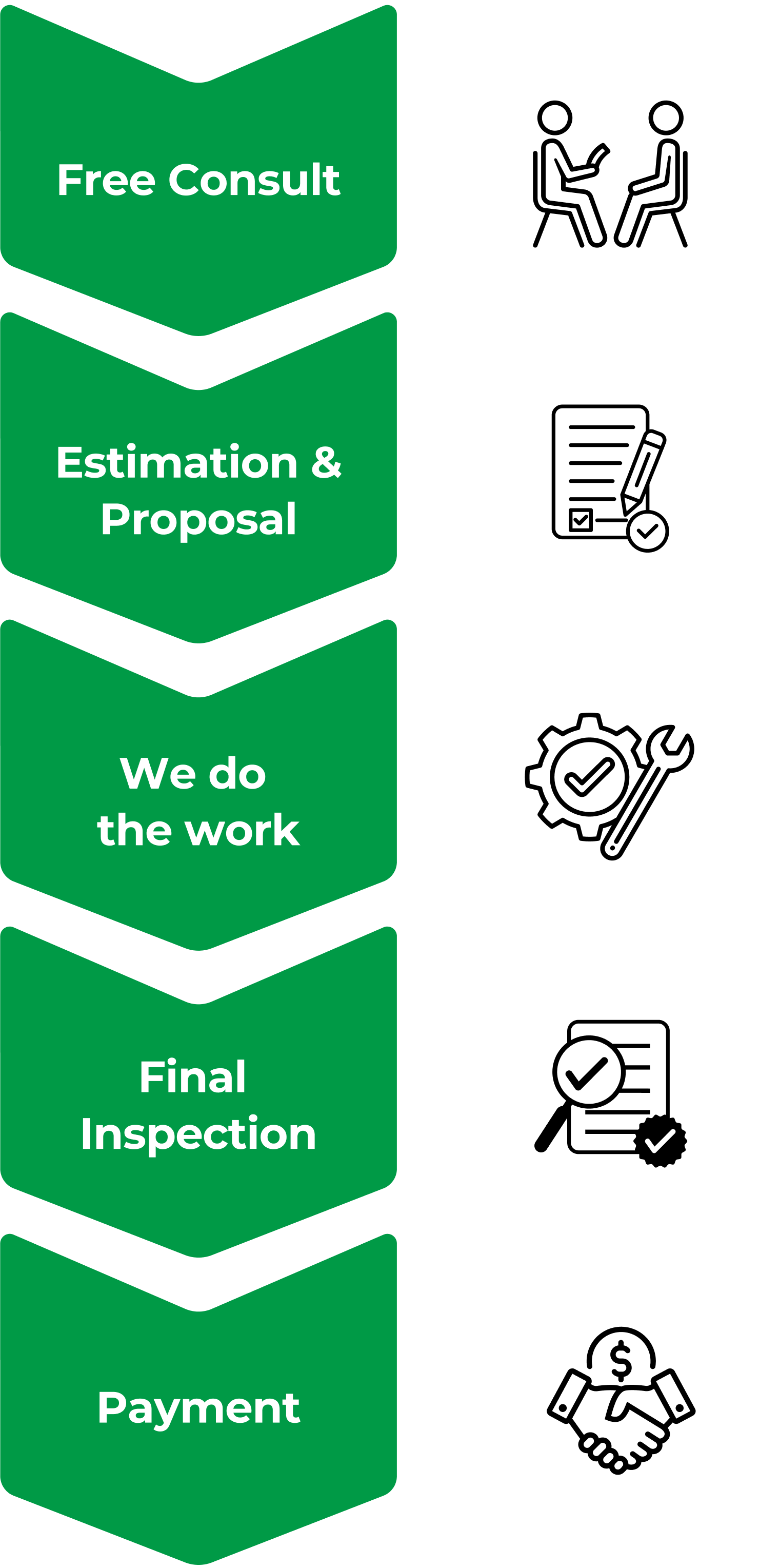
our process
Our process is simple and only contains a few simple steps

frequently asked questions
Can I remove a wasp nest myself?
Removing an active wasp nest yourself is not recommended. Disturbing the nest may cause wasps to become aggressive and increase the risk of multiple stings.
Where do wasps usually build nests?
Wasps commonly build nests beneath roof eaves, inside sheds, wall cavities, pergolas, trees, fences and other sheltered outdoor locations protected from wind and rain.
When are wasps most active?
Wasp activity generally increases during spring and summer as colonies grow larger. Warm weather encourages more foraging and greater activity around homes and gardens.
Should I remove an old wasp nest?
Old nests are often abandoned and not reused by the same colony. However, a professional inspection can confirm whether the nest is inactive before removal.
How do I know if a nest is active?
Regular wasp movement to and from the same location throughout the day usually indicates an active nest. Increased activity during warm weather is another common sign.
READY TO take the next step?
get a free quote TODAY!
Greener Pest Solutions
48 Kerwin Circle, Hebersham NSW 2770


